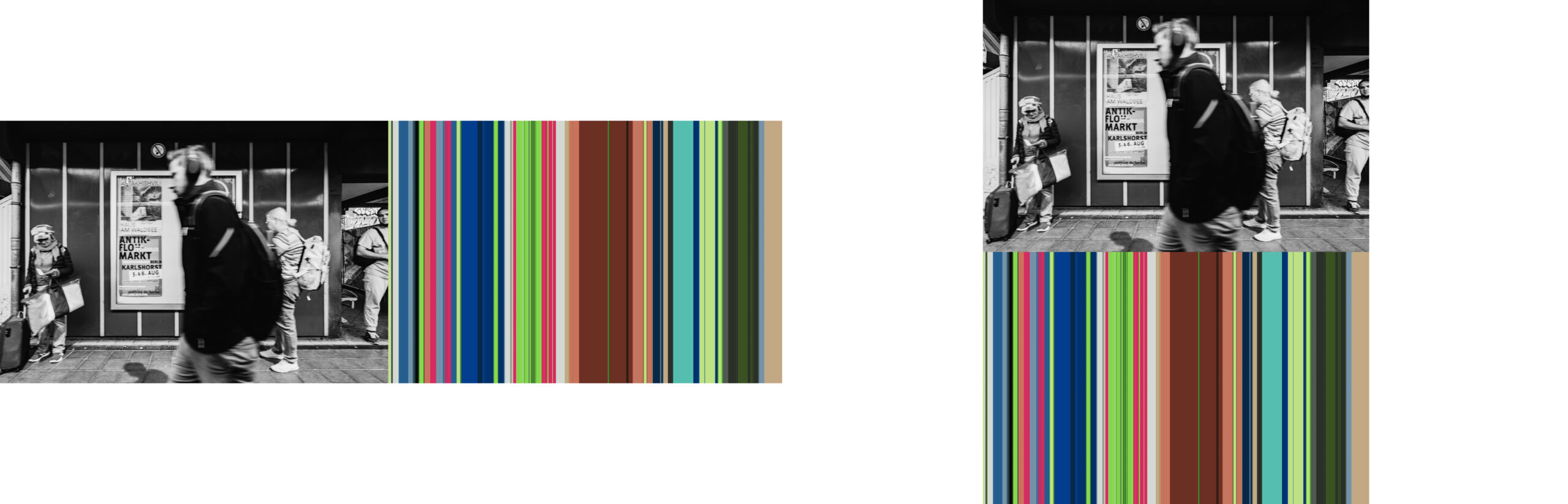
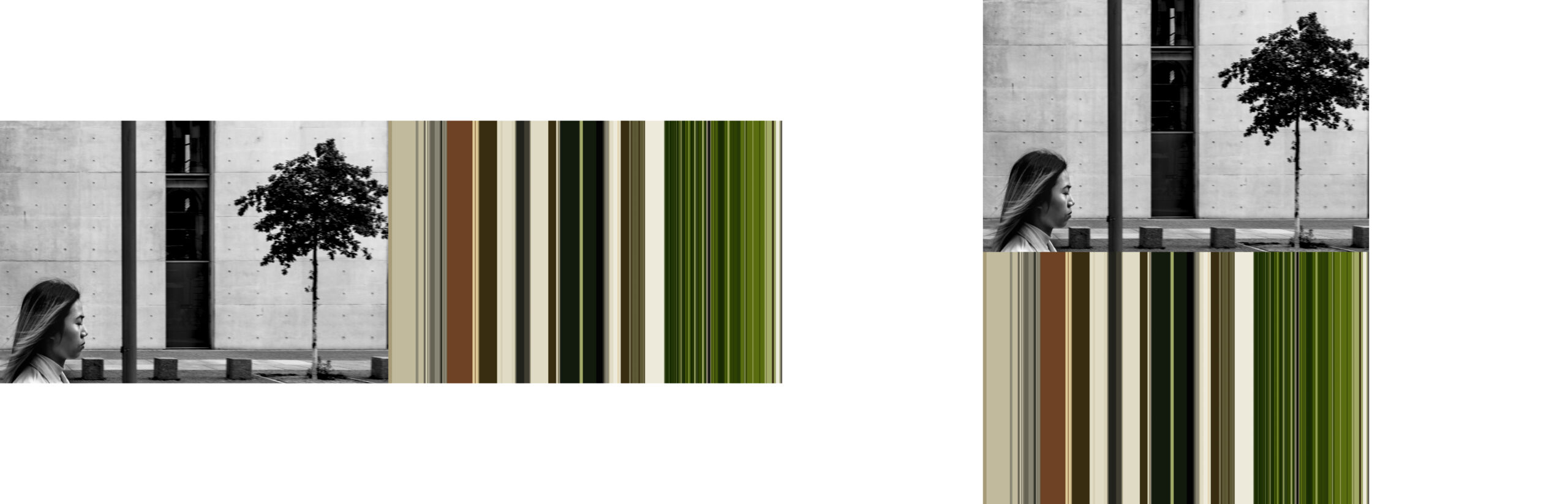
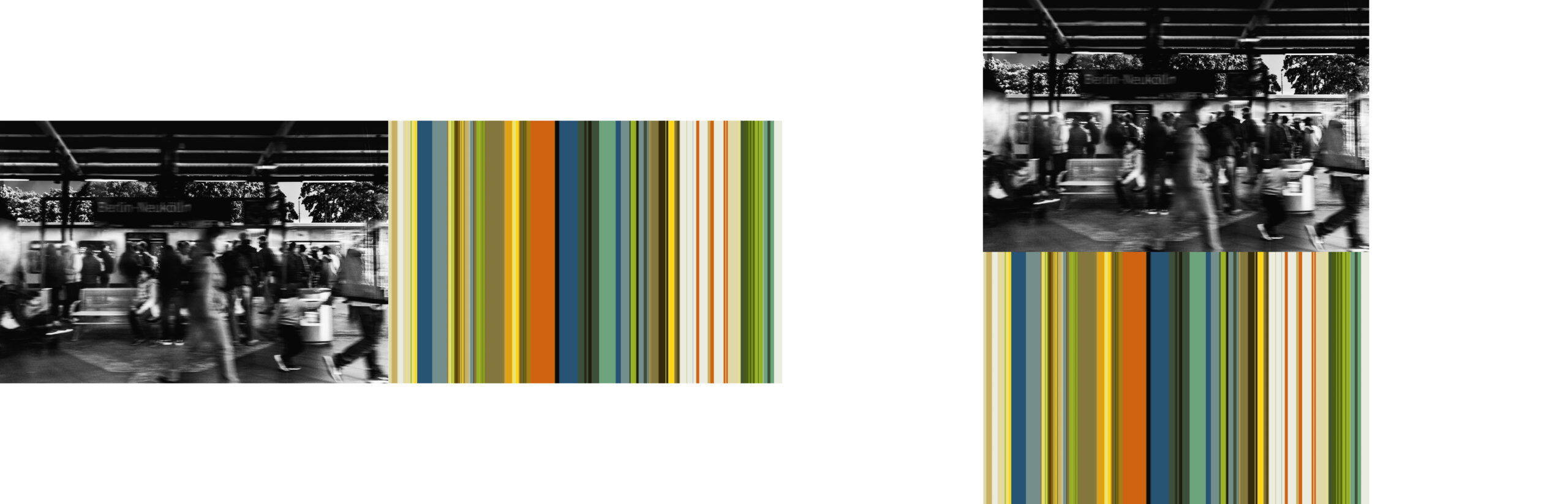
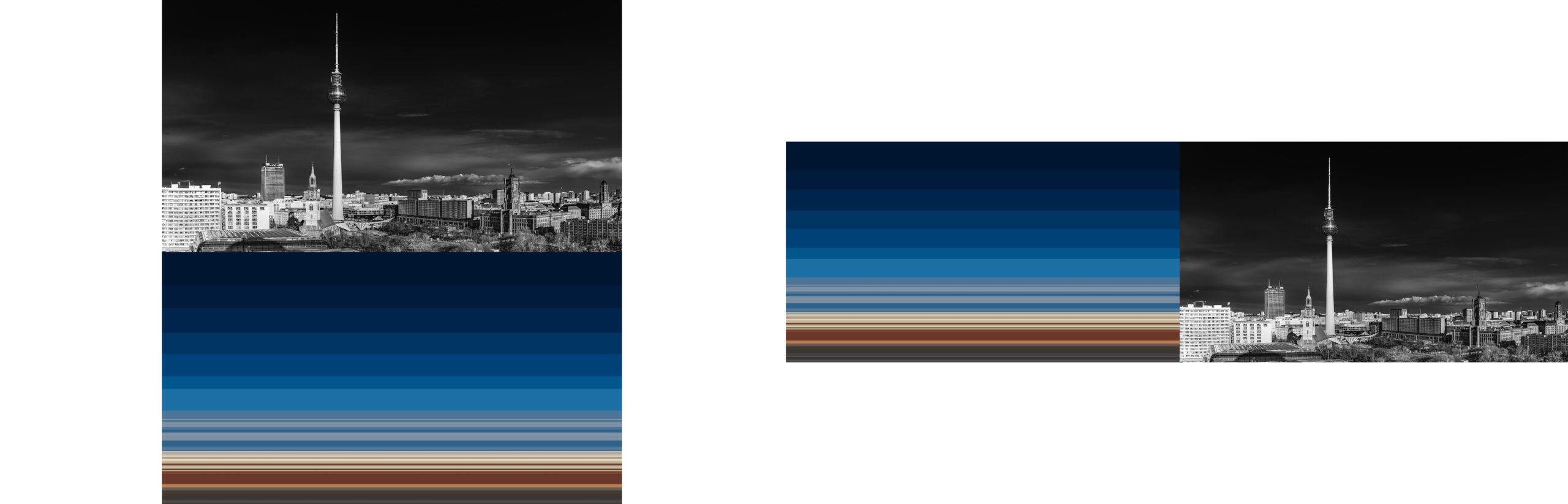
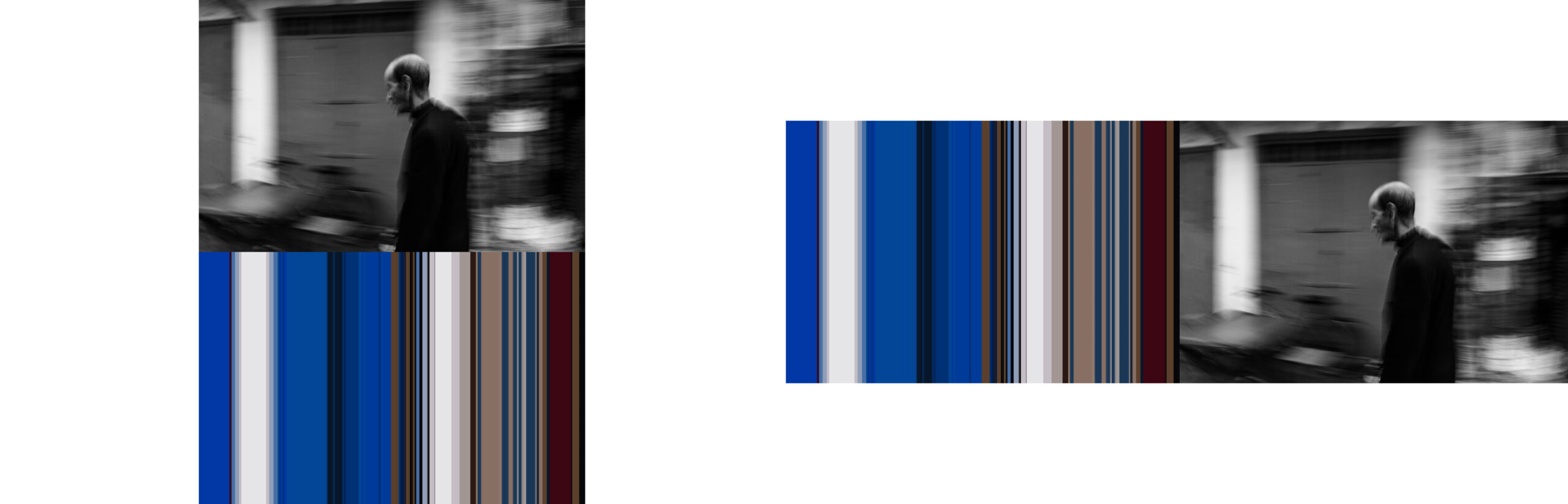
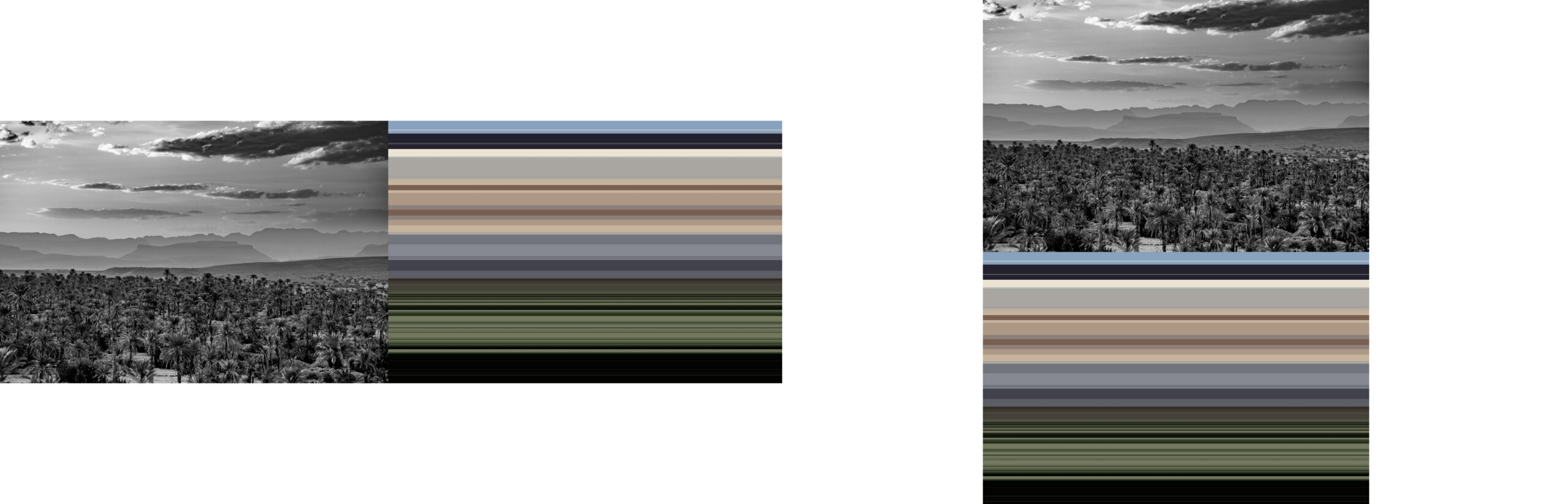
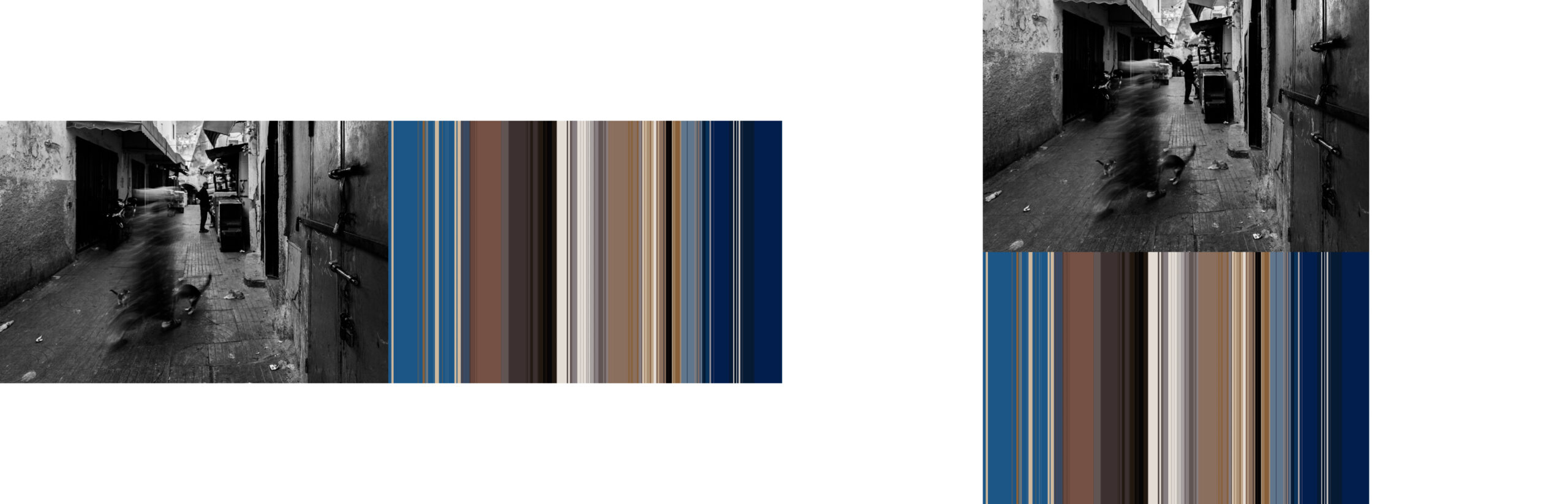
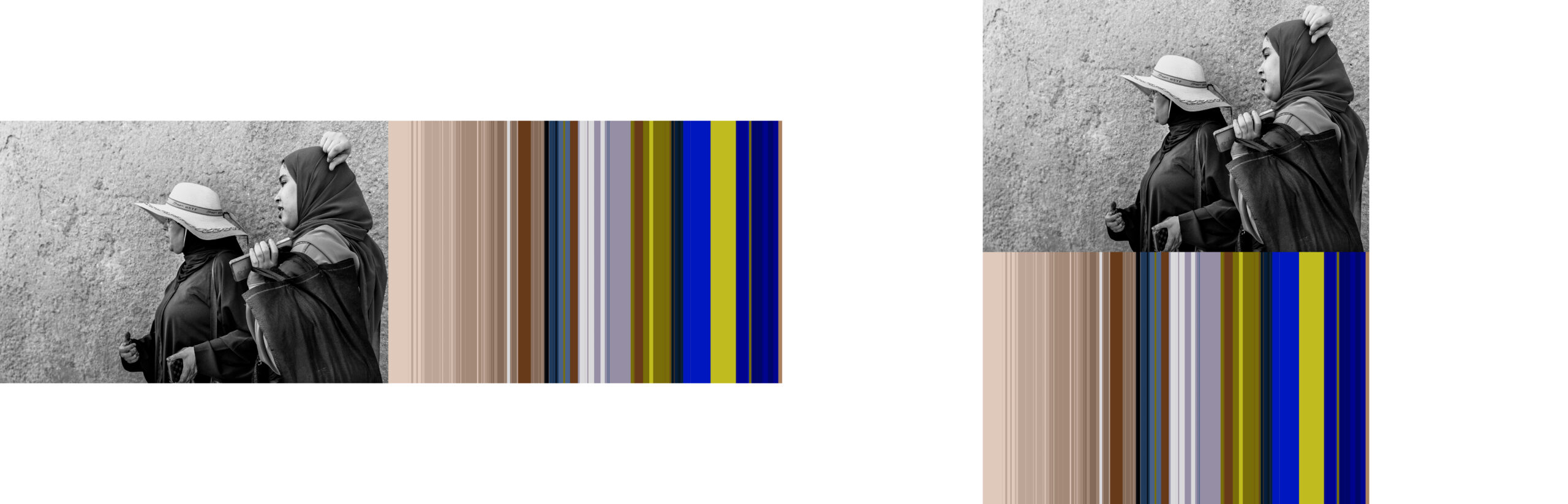
There exists a point, extremely thin, where what we see stops being matter and becomes perception.
It happens every time we look, listen, touch something: we never record reality for what it is, but translate it, interpret it. Our senses, like silent alchemists, filter the chaos of the world, giving us an interpretation, perhaps far from the truth, but a fraction of a second that we decide to call reality.
This work, Forme della percezione, is born from this reflection, from this unstable boundary. It is an attempt to capture the magic with which our mind gives form to visual experience, showing how the same instant can split in two and generate parallel worlds.
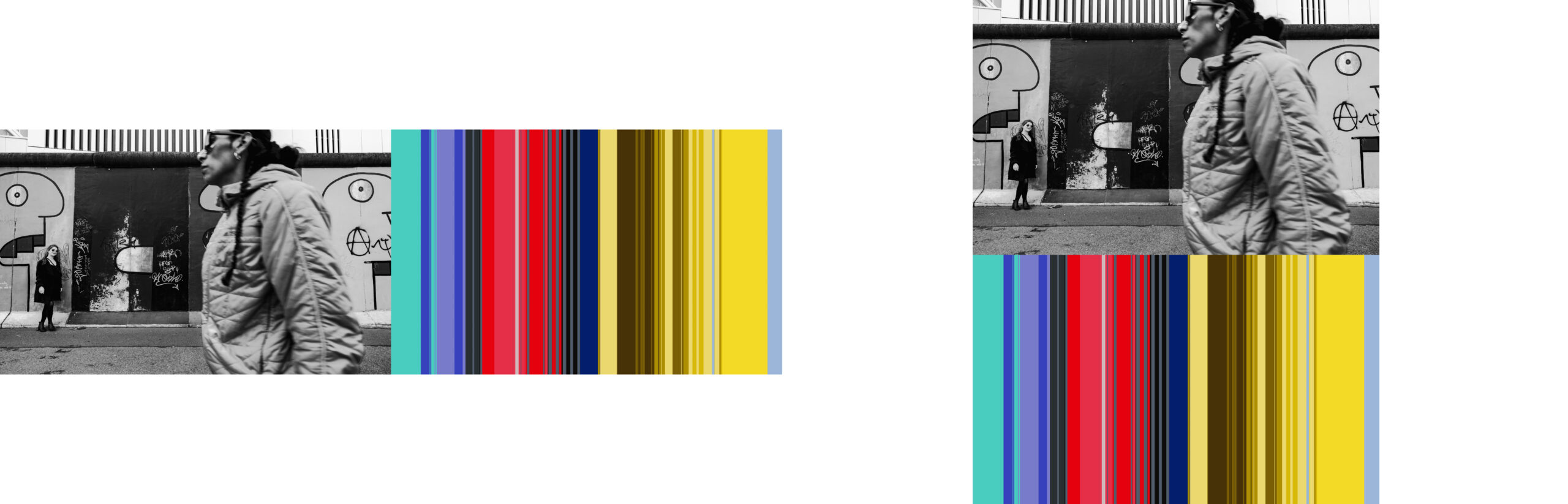
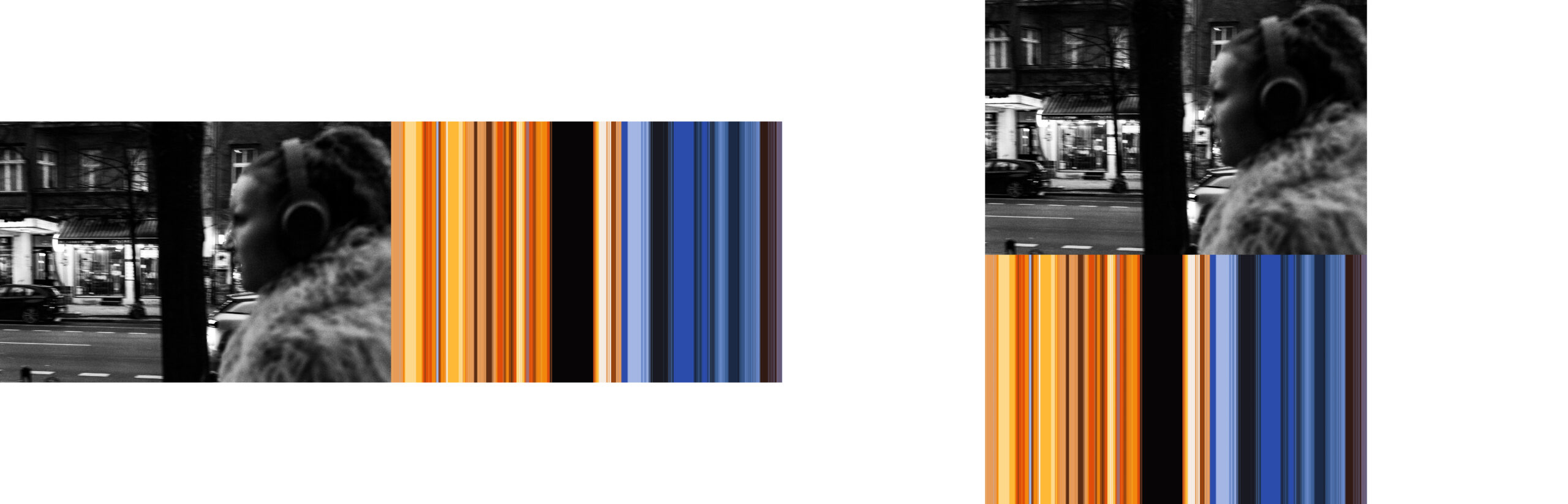
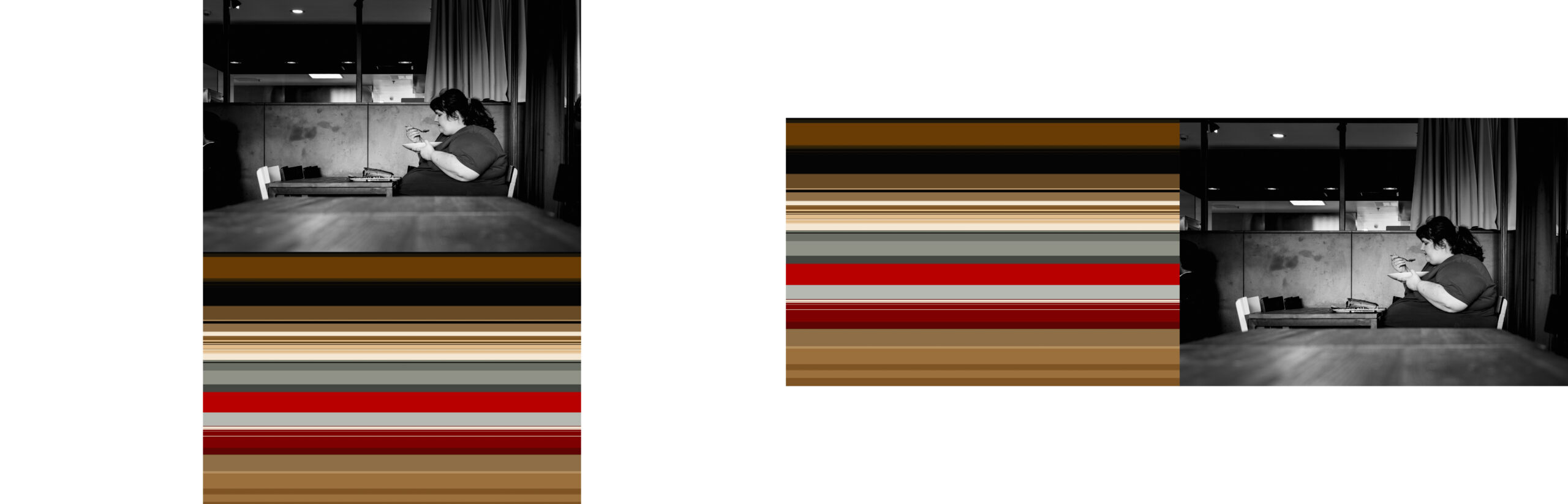
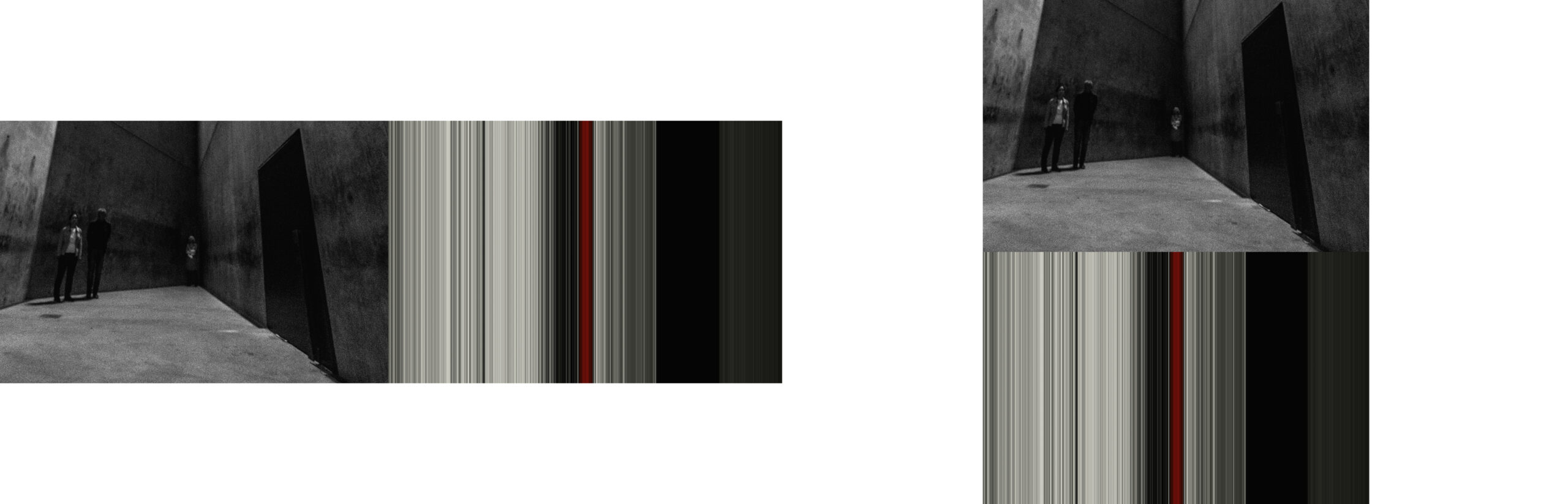
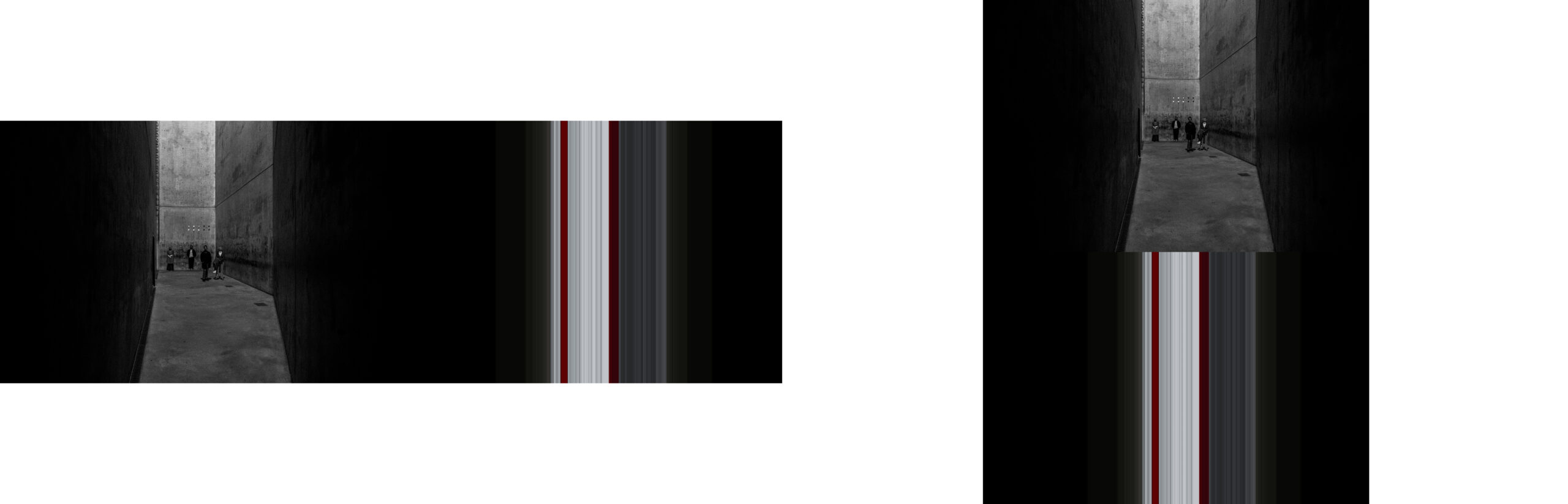
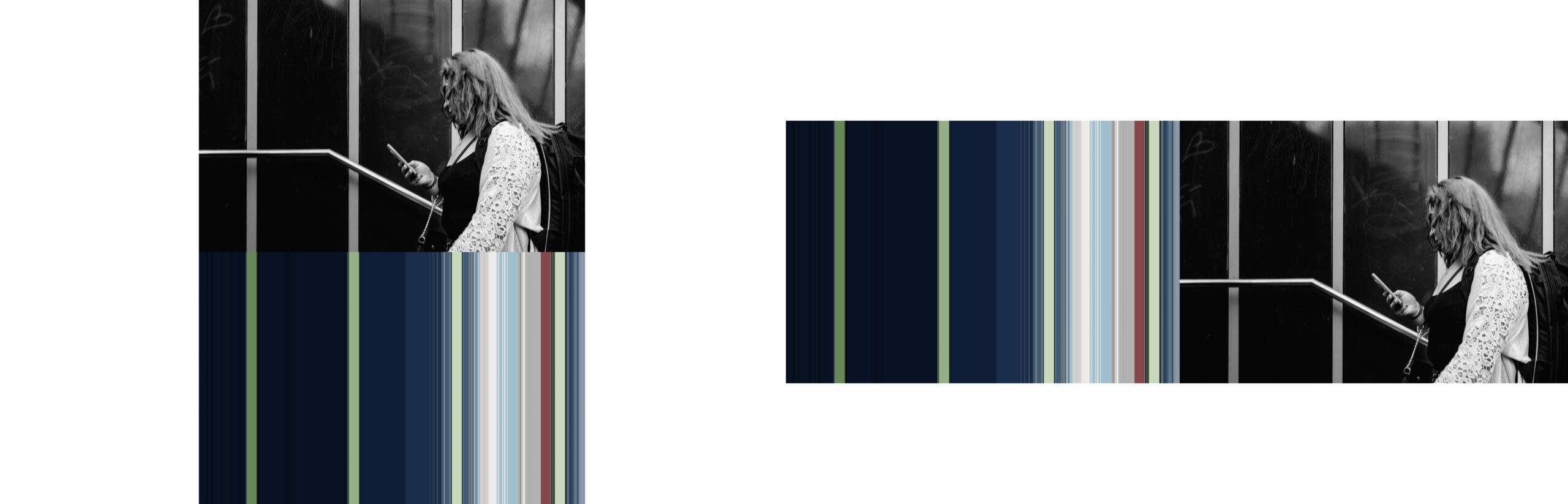
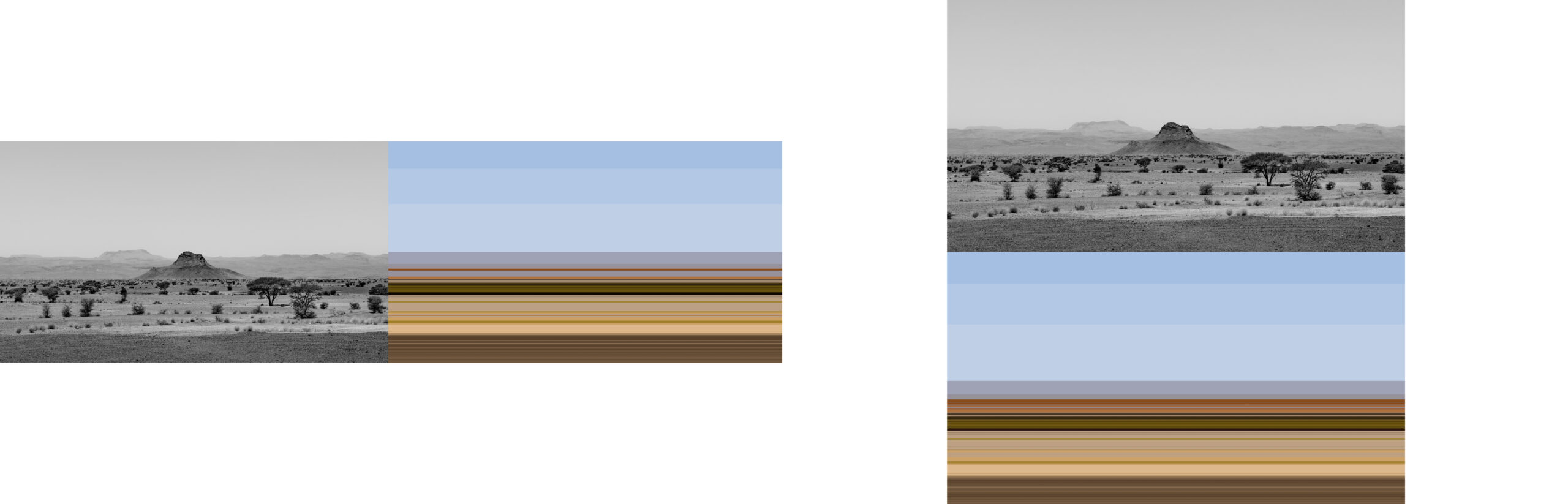
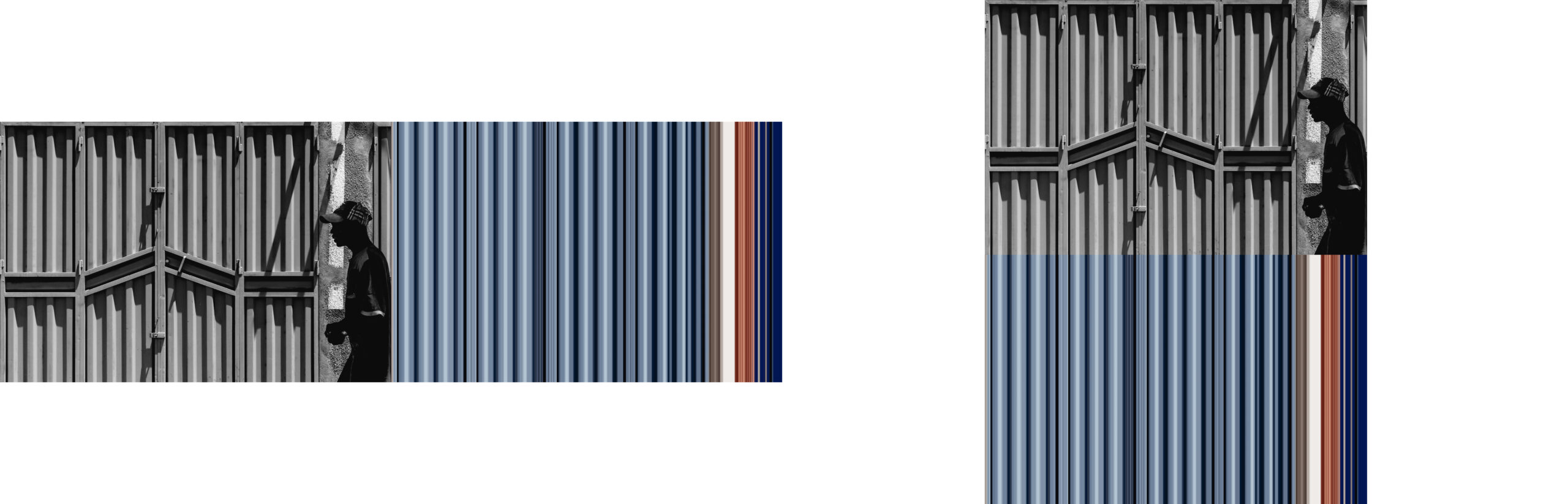
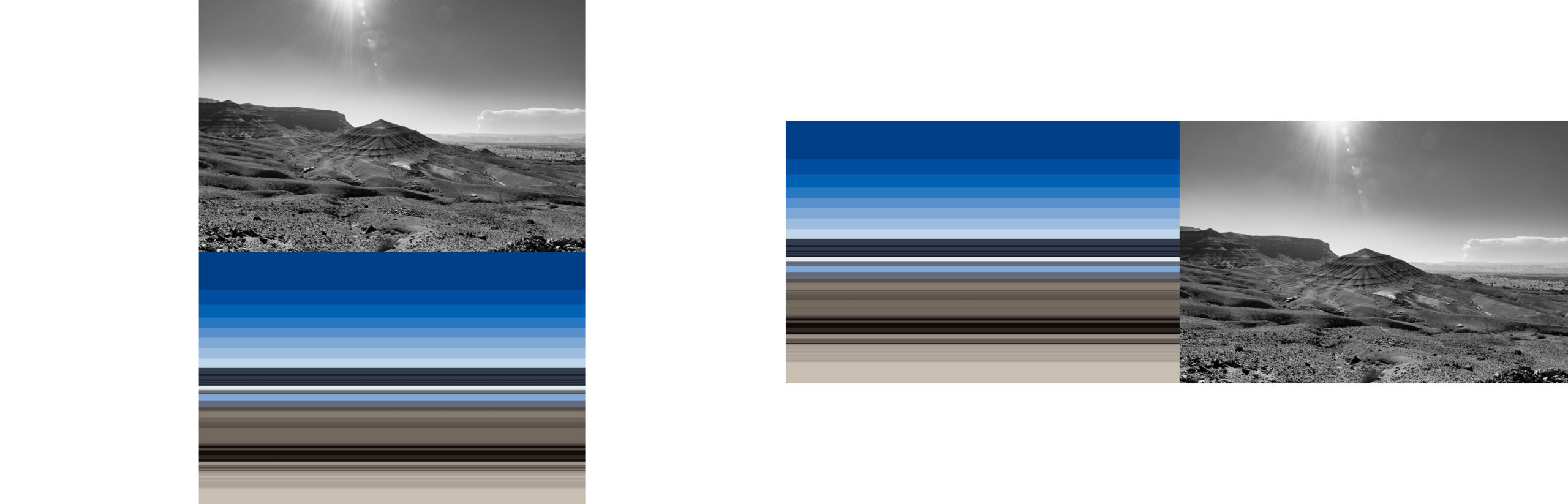
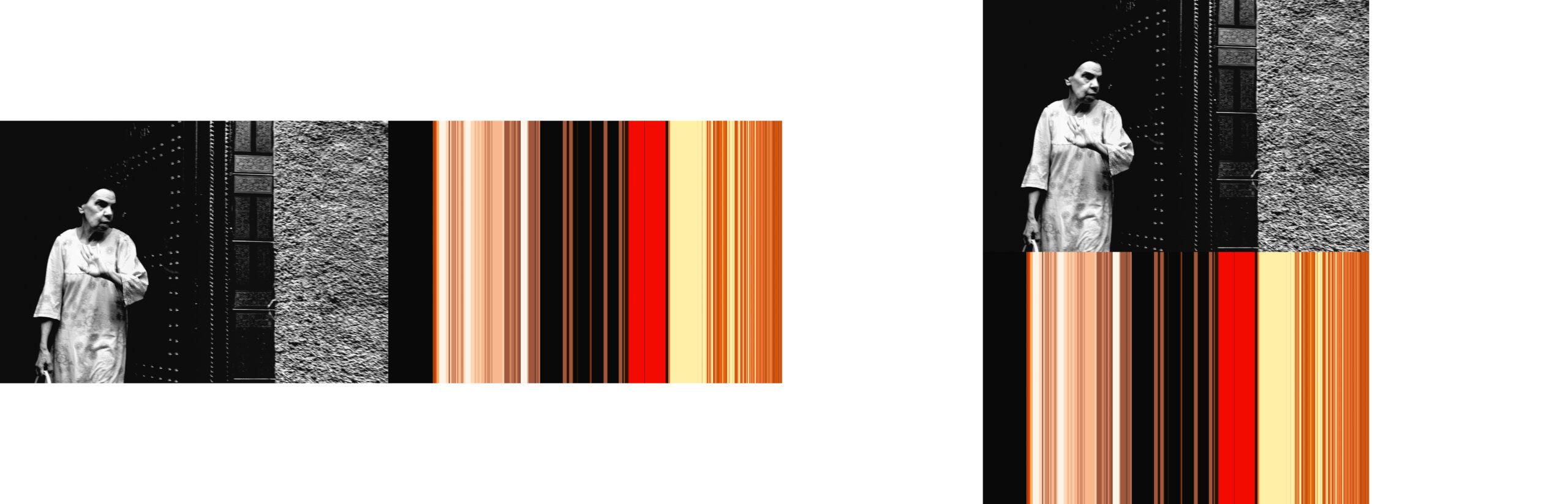
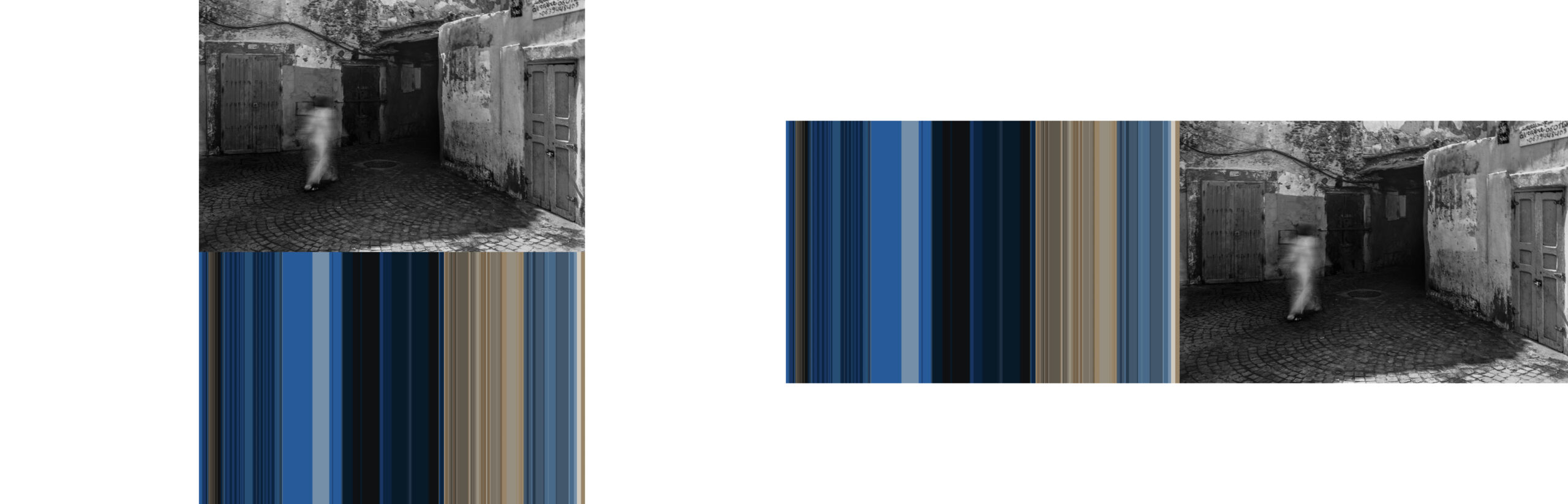
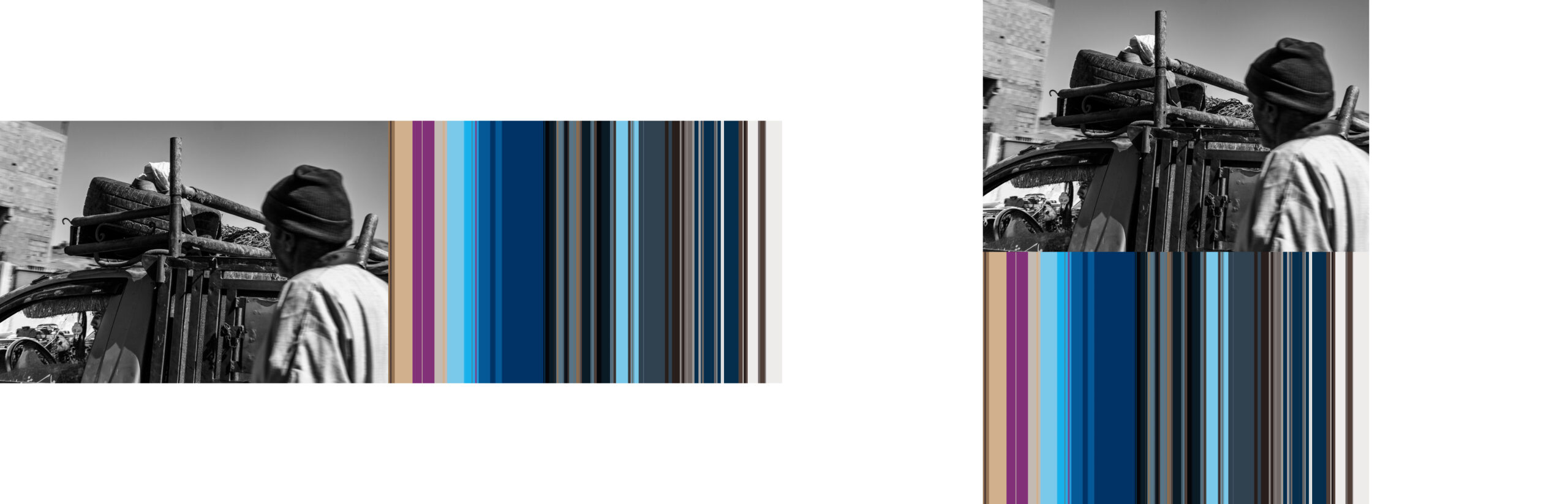
On one side the black and white image, a poetic abstraction in which subtracting color means bringing out the ghost of that scene, its emotional pressure, the drama of light and shadow. It is the way we remember a dream or a sensation, its visceral essence.
On the other side the Cromap, a translation of the geography of light and the chromatic structure of that specific portion of time, the form that color takes within the scene, another version of that same instant. It is like the echo of a sound that keeps vibrating even after the music has ended.
Placed side by side, the two faces of the same instant create a short circuit: at first they seem like strangers, two worlds that do not speak to each other, then, suddenly, the magic happens, the eye recognizes the hidden weave, recomposes the fragment, catches the underlying continuity. The two images merge inside us, revealing that the real spectacle is not what stands in front of us, but the mysterious filter through which we keep inventing and perceiving the world.
Perhaps it is exactly in this passage that this work finds its meaning: the images change, the form changes, part of the information is separated from its original order, yet something remains recognizable.
It is a possibility that belongs to vision much more than it belongs to photography. To look means to put fragments together, to recognize forms, to give meaning to what stands before us. The reality we see is already a reality crossed by all of this.
Each diptych is made of two images of the same size, two levels of the same moment, born from the same light and the same scene. The Cromap observes the original color image and reduces its complexity to a sequence of chromatic fields, each tied with precision to the portion of the scene it comes from. What results is an essential reading of the scene that preserves the exact position of its chromatic presences.
The two images stand before the eye at the same time, able to lead us back to the same scene through completely separate paths.
If two forms so different can belong to the exact same reality, how much of what we live actually belongs to things, and how much to our constant illusion of seeing them?